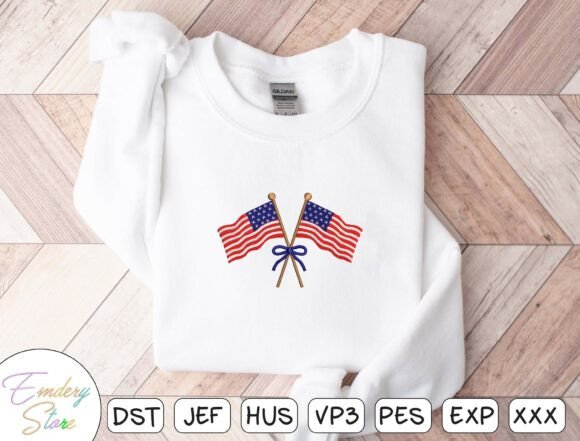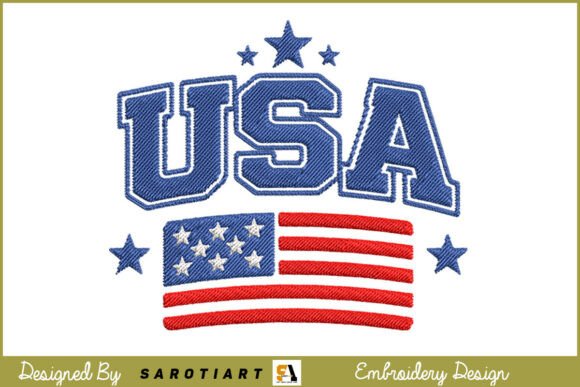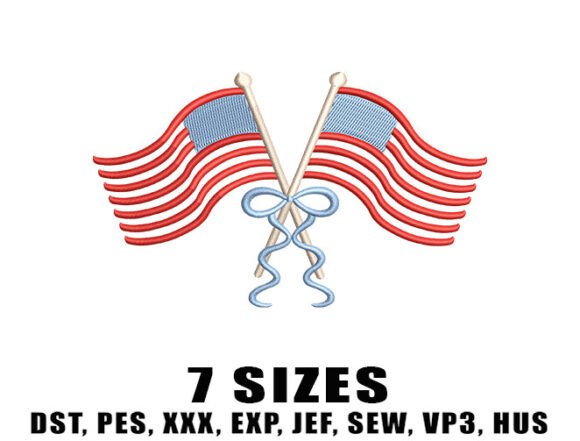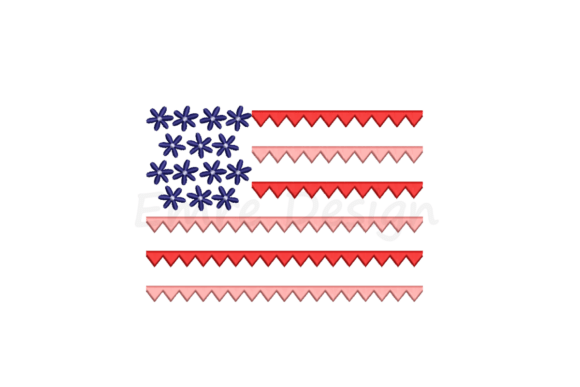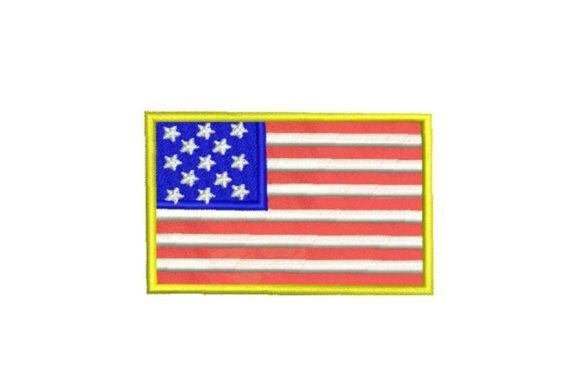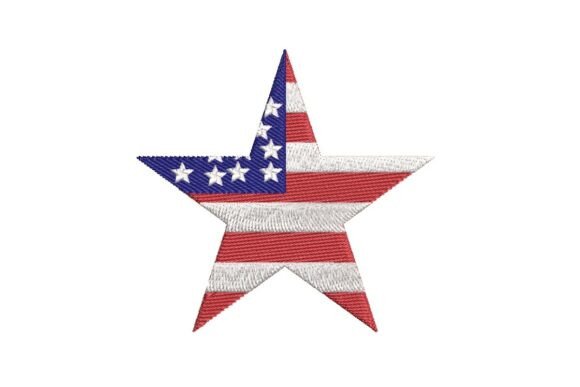
American Flag Star Embroidery Design
First Impression: Bold, Clean, and Instantly Recognizable
As an embroidery designer who’s digitized over 2,000 commercial projects for small businesses—from neighborhood bakeries to indie pet brands—I opened the American Flag Star Embroidery Design file expecting patriotic flair, not cliché. What stood out immediately was its confident simplicity: no ornate flourishes, no overcrowded stars, no forced realism. It reads as bold and clean at a glance—ideal for small business merch where clarity trumps complexity. It feels modern yet timeless, professional without stiffness, and proudly American without leaning into kitsch. That balance is rare—and critical when your logo appears on staff aprons, tote bags, or Etsy packaging.
Real-World Performance Across Business Applications
This machine embroidery design shines where visibility and brand cohesion matter most. On embroidered patches? Excellent—it holds shape and impact even at 2.5” height, making it perfect for sew-on chest badges on café uniforms or boutique staff jackets. For cap embroidery, it anchors cleanly on front panels when sized between 3.5”–4”, avoiding distortion across curved crowns. As a sleeve detail on work shirts or a subtle corner accent on linen tote bag designs, it adds just enough identity without overwhelming the product.
For food trucks, florists, or handmade studios launching Independence Day collections, this embroidery file works double duty: it signals seasonal relevance while reinforcing local pride—a smart emotional hook for community-driven branding. I’ve used similar star-and-stripe motifs on bakery apron embroidery and pet brand bandanas, and customers consistently respond to that grounded, confident aesthetic. It doesn’t shout; it stands.
Where to Use with Intention—Not Assumption
Like any strong design, the American Flag Star Embroidery Design demands thoughtful placement. Avoid scaling it below 1.75” for patches—stars begin to blur, and stripe separation suffers, especially on textured fabric like canvas or duck cloth. Cap fronts with tight curvature require careful digitizing adjustments; if the original file wasn’t optimized for low-profile hoops, test stitch first on scrap fabric with proper stabilizer.
Dark uniforms (navy, charcoal, black) demand high-contrast thread colors—think bright white stars against rich navy blue stripes, not muted grays. Also, watch stitch density: if the file packs too many fills into narrow stripes, it risks puckering on lightweight cotton or shrinking after frequent washing. Always confirm how the design behaves on real garment fabric—not just in software preview.
Brand Identity Impact: More Than Just Patriotic Decor
This isn’t decorative embroidery—it’s strategic brand language. When stitched onto a florist’s reusable tote or a craft studio’s product packaging tag, the American Flag Star Embroidery Design quietly communicates authenticity, craftsmanship, and local values. Customers associate that visual shorthand with trust—not because it’s “USA-themed,” but because it’s executed with restraint and precision.
For Etsy sellers and handmade brands, consistency is currency. Using this design across multiple touchpoints—apron embroidery, cap embroidery, and branded gift tags—builds visual recognition faster than text-based logos alone. It elevates perceived product value: a simple cotton tote becomes a keepsake; a plain apron becomes part of your shop’s story. That’s how small business merch earns repeat engagement—not through volume, but through resonance.
Practical Designer Notes Before You Stitch
- Test in black and white first: Print a grayscale version to assess contrast and spacing—especially between stars and stripe edges.
- Verify small-patch viability: Resize to your target patch dimensions and check if stars retain crisp definition and stripes stay evenly spaced.
- Review thread color contrast: Ensure red, white, and blue threads offer enough pop against your base fabric—especially on heathered or dark textiles.
- Inspect spacing and underlay: Tight corners or overlapping elements can cause nesting issues; look for clean jump stitches and balanced underlay coverage.
- Confirm hoop size compatibility: Match the design’s largest dimension to your available hoop—no last-minute resizing mid-production.
- Test on real fabric + stabilizer: Run a sample on your actual garment material with the stabilizer you’ll use commercially. Texture changes everything.
- Create a printable mockup: Show clients how it looks on their specific product—tote bag design, uniform shirt, or cap embroidery—before final approval.
- Compare beside other design assets: Does it harmonize with your existing logo, typography, and color palette—or compete with it?
- Confirm commercial licensing: Since this is intended for small business merch and commercial embroidery, verify the digital embroidery file includes rights for resale and branded use.
Final Thought: A Strategic Asset, Not Just a Holiday File
The American Flag Star Embroidery Design transcends Independence Day. Yes, it fits perfectly in summer campaigns—but its clean geometry, scalable structure, and cultural resonance make it a year-round tool for building authentic brand identity. Whether you’re an embroidery shop stitching for local makers or a craft business owner designing your own line, treat it not as seasonal decoration, but as a versatile, high-intent design asset. Used intentionally—with attention to fabric, scale, and context—it doesn’t just represent patriotism. It represents professionalism, care, and the quiet confidence that defines standout small business merch.